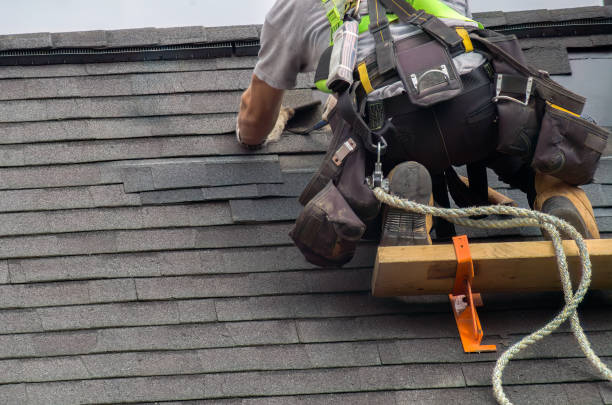
A professional roofing contractor plays a critical role in ensuring the safety, durability, and functionality of your roof. Their responsibilities go beyond basic repairs or installations, encompassing a wide range of tasks aimed at delivering high-quality roofing solutions while protecting your property. Below is a detailed look at the key roles and responsibilities of a professional roofing contractor.
Comprehensive Roofing Saint Michael MN Inspection and Assessment
An effective inspection provides valuable insights that inform repair or replacement recommendations.
Comprehensive Cost Estimations and Project Planning for Roof Installation Saint Michael MN
| Item | Description | Example Costs (Varies by region) |
|---|---|---|
| Labor | Installation/removal services | $3-$5 per square foot |
| Materials | Shingles, tiles, underlayment | $100-$150 per bundle |
| Disposal Fees | Removal and disposal of old materials | $50-$100 per ton |
Additionally, they develop comprehensive project plans that outline timelines, required materials, permits needed, and contingency plans for unforeseen issues.
Professional Installation and Repair Services by Roofers Saint Michael MN
- Removing old roofing materials safely.
- Installing underlayments (e.g., waterproof barriers).
- Placing shingles, tiles, or other roofing components securely.
- Repairing damaged sections without compromising structural safety.
Their expertise ensures that roofs are installed or repaired in accordance with local building codes.
4. Adherence to Safety Standards
- Using appropriate harnesses and fall-protection equipment.
- Ensuring scaffolding is secure.
- Training team members on safe practices during installation or repair work.
Compliance with OSHA (Occupational Safety and Health Administration) standards is also critical to ensure job-site safety.
5. Use of High-Quality Materials
- Asphalt shingles for affordability and versatility.
- Metal roofing for durability in extreme weather conditions.
- Clay tiles for aesthetic appeal combined with longevity.
Their material selection ensures that roofs withstand wear-and-tear over time while maintaining their appearance.
6. Warranty Provision
- Manufacturer’s warranty on materials (e.g., shingles).
- Workmanship warranty covering installation quality concerns.
This offers homeowners peace of mind when investing in a new roof or extensive repairs.
7. Communication with Clients
- Provide regular updates about project progress.
- Discuss potential changes or delays honestly.
- Answer any questions regarding maintenance after completion.
This transparent approach fosters trust between contractor and homeowner while ensuring expectations are met effectively.
By fulfilling these roles responsibly, professional roofing contractors help safeguard homes against environmental damage while extending the lifespan of one of the most critical components—the roof itself.
Finding the Best Roofing Repair Contractors Saint Michael MN: A Guide to Professional Roofing Projects
A professional roofing project requires careful planning, skilled execution, and attention to detail at every stage. Homeowners and property managers often underestimate the complexity of roofing work, but understanding the process can help ensure a smoother experience. Here’s a detailed breakdown of what goes into a roofing project from start to finish.
Initial Consultation and Assessment
- Roofers begin with an on-site inspection to evaluate the current state of the roof.
- This step involves identifying structural issues, leaks, or damage caused by weather or aging.
-
Detailed measurements are taken to estimate material requirements accurately.
- During this phase, roofers discuss client preferences regarding materials, design considerations, and budget constraints.
-
Options such as asphalt shingles, metal roofing, or tile are presented along with their pros and cons.
- A comprehensive proposal is created outlining project scope, timelines, labor costs, material expenses, and warranties.
Planning and Permits
- Material Selection and Procurement: Based on consultation decisions, roofers order appropriate materials.
- Obtaining Permits: Securing necessary permits is crucial for compliance with local building codes.
- Scheduling: Contractors schedule the project based on weather conditions to minimize delays.
| Key Items in Planning | Purpose |
|---|---|
| Material selection | Ensures durability & aesthetic congruence |
| Permits | Guarantees legal compliance |
| Timeline preparation | Reduces disruptions during installation |
Demolition and Preparation
- Old roofing materials are removed carefully without damaging underlying structures.
- Protective measures like tarps or plywood sheets are used to safeguard landscaping and exterior spaces.
- Structural components such as decking are inspected for rot or deterioration. Repairs are performed as necessary before moving forward.
Installation Process
-
- A waterproof underlayment is applied as a protective barrier against moisture penetration.
-
- Metal flashing is installed around vents, chimneys, and skylights to prevent water intrusion in these vulnerable areas.
-
- Roofers carefully place shingles or panels following manufacturer guidelines for durability.
-
- Proper ventilation ensures temperature regulation within the attic space while extending the life of the roofing system.
Final Inspections
- The team conducts a thorough quality inspection to ensure all components meet industry standards.
- Cleanup involves removing debris from the site and checking for stray nails or materials that could pose risks.
| Checklist for Final Inspection | Importance |
|---|---|
| Verifying flashing seals | Prevents water leaks |
| Confirming proper alignment of shingles or panels | Enhances roof longevity |
| Reviewing ventilation systems | Optimizes energy efficiency |
By following these steps in sequence—from consultation through final inspection—homeowners can trust that their new roof will be reliable and long-lasting while meeting all safety standards.
Step-by-Step Guide to Roofing Repair Service Saint Michael MN and Roof Replacement Planning
A successful roof replacement project begins with a meticulous inspection and well-thought-out planning. This step is critical to ensure that all potential issues are identified, the right materials are chosen, and the project stays within budget and timeline. Below is a detailed guide to the inspection and planning process for roof replacement projects.
Step 1: Comprehensive Roof Inspection
- Roof Structure: Checking for sagging sections or structural weaknesses.
- Roofing Material Condition: Assessing shingles, tiles, or other materials for wear, cracks, or damage.
- Leaks and Water Damage: Identifying areas with water stains, mold, or rot.
- Flashing Issues: Ensuring that flashing around chimneys, vents, and skylights is intact.
- Gutters and Drainage Systems: Examining gutters for clogs or signs of corrosion.
The findings from this inspection form the foundation for creating an effective plan.
Step 2: Identifying Underlying Issues
- Compromised decking
- Insufficient attic ventilation
- Deteriorated insulation
- Outdated roofing components
Addressing these issues during the planning phase ensures long-term durability after installation.
Step 3: Material Selection
| Material Type | Key Features | Lifespan (Years) |
|---|---|---|
| Asphalt Shingles | Affordable, widely available | 20–30 |
| Metal Roofing | Durable, energy-efficient | 40–70 |
| Clay or Concrete Tiles | Excellent weather resistance | 50+ |
| Wood Shakes/Shingles | Natural appearance but higher maintenance | 20–40 |
Professional contractors also help match material choices with factors like architectural style, local climate conditions, and budget constraints.
Step 4: Budget Creation
- Removal of old roofing material.
- Labor expenses.
- Cost of new roofing materials.
- Additional repairs (e.g., decking replacement).
- Permits required by local authorities.
This financial outline eliminates surprises during execution.
Step 5: Timeline Development
An organized timeline keeps both contractors and homeowners on track throughout the project lifecycle. Contractors will consider variables such as weather conditions and material delivery dates when estimating completion timeframes.
Why Proper Inspection & Planning Matter
- Overlooking structural issues may necessitate premature repairs.
- Poor material selection could result in energy inefficiency.
- Inaccurate cost estimates can strain budgets unexpectedly.
By working with an experienced professional who follows these steps diligently, homeowners can ensure their roof replacement project proceeds smoothly from start to finish without unnecessary setbacks or delays.
Expert Tips from a Roofing Repair Company Saint Michael MN for Roof Replacement Projects
Proper preparation and protection measures are vital components of any roof replacement project. These steps ensure not only the efficiency of the installation process but also the safety of your property and those involved in the work. Below, we explore these critical elements in detail.
Site Preparation for Roof Replacement
- Clearing the Work Area: Removing outdoor furniture, potted plants, vehicles, or any objects near the work zone to provide sufficient space for materials and equipment.
- Protecting Landscaping: Covering shrubs and flower beds with tarps or protective sheeting to shield them from falling debris.
- Designating a Staging Area: Establishing a dedicated area for storing roofing materials, tools, and waste disposal containers.
Protecting Your Home During Roof Replacement
-
Tarps or plywood may be used to guard windows and skylights against accidental breaks or scratches caused by falling debris.
-
For homes with open attic spaces, plywood sheathing can be placed underneath the roof deck to catch small debris that might fall through during removal.
-
Homeowners are advised to remove fragile items such as artwork, mirrors, or glass fixtures from walls or shelves as vibrations can cause movement inside.
- To prevent damage to gutter systems during roofing activities, contractors often install temporary barriers around gutters.
Weather Monitoring and Scheduling
- Avoiding rainy or storm-prone periods minimizes delays while also helping ensure that materials remain dry throughout installation.
- Temporary coverings like waterproof tarps are kept on hand to shield exposed sections of roofs in case unexpected weather changes occur.
Waste Management During Roofing Projects
| Task | Description |
|---|---|
| On-site dumpster placement | A dumpster is typically positioned near work zones for efficient disposal |
| Daily waste removal practices | Crews clean up discarded shingles and nails at the end-day progress |
| Use magnetic rollers | Specialized magnets help locate stray nails/metal left scattered post-project |
Communication with Property Owners
Ensure discussing progress schedules beforehand . Empowerment transparency benefits both stakeholders
Understanding the Installation Process with a Roofing Company Saint Michael MN
When it comes to roofing projects, the system installation process is one of the most critical phases. Proper installation ensures the roof’s longevity, resilience, and ability to protect your home from environmental elements. Below is an overview of this process, complete with key steps, considerations, and tips.
Key Stages of Roof System Installation
- Remove old roofing materials: This involves stripping away shingles or other coverings from the existing roof surface.
-
Inspect for damage: The decking must be checked for signs of wear, rot, or structural issues. Any damaged sections will need to be repaired or replaced before proceeding.
- Purpose: The underlayment is a waterproof layer that acts as a barrier between the roof deck and external elements like rain and snow.
-
- Asphalt-saturated felt
- Synthetic underlayment (more durable and moisture-resistant)
-
Flashing Installation
Flashing is applied around roof features such as chimneys, skylights, vents, and valleys to prevent water infiltration in vulnerable areas. Properly installed flashing protects against leaks by directing water away from seams and joints. -
Shingle or Roofing Material Placement
Depending on your chosen roofing material (e.g., asphalt shingles, metal panels, tiles), pieces are installed methodically starting from the base of the roof upward in overlapping layers to ensure proper water runoff. -
Ventilation System Setup
Adequate ventilation minimizes heat buildup in your attic space while reducing moisture accumulation that can lead to mold or structural problems. Common ventilation elements include ridge vents and soffit vents. -
Final Sealing and Securing
To finish off installation: - Edges are sealed to ensure weather-tight barriers.
- Roofing nails or fasteners are double-checked for proper placement and security.
Factors Impacting Installation Quality
| Factor | Importance |
|---|---|
| Material Selection | High-quality materials extend durability and performance over time. |
| Installation Technique | Following manufacturer guidelines ensures warranty compliance and safety. |
| Weather Conditions | Avoiding installation during extreme weather reduces risks of errors. |
Benefits of Professional Roofing Installation
- Compliance with local building codes.
- Expert knowledge when handling complex roof designs.
- Access to high-grade tools that result in a cleaner finish.
- Warranties on both labor and materials used.
Common Mistakes During Roof Installation
- Improper nail placement leading to loose shingles over time.
- Overlooking ventilation needs which can cause attic condensation issues.
- Using incompatible materials that reduce overall roof efficiency.
The system installation process forms the heart of any successful roofing project—and attention to detail at this stage builds a foundation for long-term performance you can trust.
Finalization and Quality Assurance in Roofing Service Saint Michael MN Projects
Finalizing a roofing project and ensuring quality assurance are critical steps that determine the long-term success and durability of the roof. Professional roofing contractors follow systematic processes to ensure that all elements of the installation or repair meet industry standards while delivering superior results. Below is a breakdown of how finalization and quality assurance are handled in professional roofing projects.
Final Inspections
- Shingles or Roofing Material Placement: Ensuring shingles, tiles, or panels are correctly aligned, secured, and free from damage.
- Flashing: Verifying that all flashing around chimneys, vents, skylights, and edges is sealed properly to prevent water penetration.
- Roof Decking: Checking if the underlayment and decking are intact without any warping or gaps.
- Ventilation Systems: Assessing whether ventilation systems are properly installed for optimal airflow within the attic space.
Cleaning Up the Worksite
- Debris Removal: Clearing away old roofing materials, nails, packaging waste, and other debris generated during installation or repairs.
- Magnetic Sweep: Using magnetized tools to pick up loose nails scattered around driveways, yards, or gardens for added safety.
- Material Recycling: Responsible contractors often recycle materials like metal scraps or asphalt shingles when possible.
Testing Structural Integrity
- Water-resistance testing involves simulated rainfall to confirm there are no leaks.
- Wind-resistance evaluations check if all sections meet local building codes regarding wind uplift ratings.
Homeowner Walkthrough
- The contractor explains key features of new installations (e.g., energy-efficient materials).
- Maintenance tips for extending roof longevity may be shared.
- Homeowners can ask questions about warranties on labor as well as material guarantees.
Quality Documentation & Compliance
| Document Type | Purpose |
|---|---|
| Warranty Certificates | Outlines coverage details for installed materials |
| Inspection Reports | Confirms all aspects passed regulatory checks |
| Permit Closure Receipts | Proves that required permits were obtained/closed |
This paperwork is essential should future repairs need validation through warranty claims.
Adhering closely to these finalization processes reflects a commitment to quality workmanship by professional roofers while providing homeowners with peace of mind knowing their investment stands up against time-tested standards.
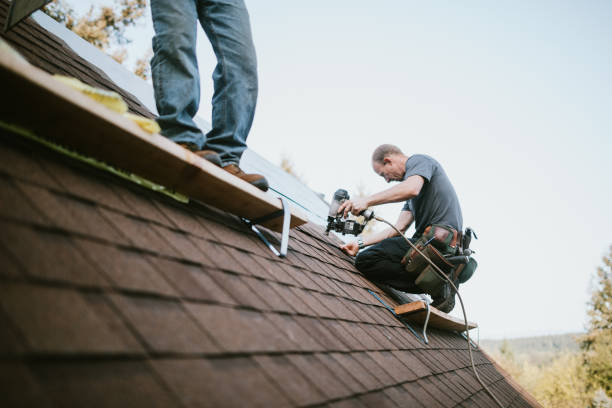
How to Choose the Best Roofing Repair Saint Michael MN Contractor for Your Home Improvement Needs
Selecting the right roofing contractor is a critical decision for any homeowner. A roof is not only a significant financial investment but also a key component that protects your home and its contents. To ensure your home improvement project is successful and stress-free, follow these steps and considerations when choosing a roofing contractor.
Research and Verify Credentials
- Licensing: Ensure the contractor holds the proper licenses required by your state or municipality. This indicates they meet legal requirements to perform roofing work.
- Insurance: Verify that the contractor carries both liability insurance and workers’ compensation insurance to protect you in case of accidents or property damage.
- Certifications: Look for certifications from reputable manufacturers, such as GAF, Owens Corning, or CertainTeed, which demonstrate expertise with specific roofing materials.
Check Experience and Reputation
- Years in Business: Contractors with several years of experience are likely to provide better workmanship compared to newer companies.
- Portfolio: Ask for examples of previous projects similar to your needs (e.g., roof replacement, repair, or installation).
- References: Request references from past customers, particularly those who had similar work done recently. Contact them to ask about their satisfaction with quality, timeliness, and communication.
- Online Reviews: Platforms like Google Reviews, Yelp, and Better Business Bureau ratings can give insight into community reputation and customer experiences.
Evaluate Written Estimates
| Element | What To Look For |
|---|---|
| Scope of Work | Detailed outline of tasks involved |
| Materials | Specific brands/types of materials listed |
| Costs | Transparent breakdown of labor and material costs |
| Timeline | Clear expected start and completion dates |
Avoid estimates that seem significantly lower than others—it could be a red flag signaling potential shortcuts or hidden fees.
Assess Communication Skills
- Do they respond promptly to emails or calls?
- Are they willing to answer questions thoroughly?
- Do they explain processes clearly without pressuring you?
Good contractors value collaboration with their clients.
Validate Warranties Offered
Reputable contractors provide warranties for both materials used (manufacturers’ warranties) and their workmanship (labor warranties). Make sure both aspects are well-covered in case issues arise after installation.
Red Flags to Watch Out For
- Require large upfront payments before starting work.
- Lack physical business addresses.
- Offer vague contracts without specified details.
- Push high-pressure sales tactics rather than letting you make an informed decision.
- Refuse to provide proof of licensing or insurance.
By following these guidelines carefully, you can confidently choose a qualified professional who will deliver quality results for your roofing project while protecting your investment long-term. Taking time upfront will save stress later on during this important upgrade for your home’s protection assets professionally.
- Important Things to Consider When Hiring Roofing Repair Contractors Saint Michael MN
- Quality Assurance Tips After Roofing Contractors Saint Michael MN Install Your New Roof
- Key Roles and Responsibilities of Professional Roofing Contractors Saint Michael MN
- Key Signs You Need Roofing Repair Contractors Saint Michael MN Homeowners Should Know
- Key Signs You Need a Roofing Repair Company Saint Michael MN Homeowners Should Know
- Finding the Best Roofing Contractors Saint Michael MN for Your Project Needs
- Understanding the Roofing Repair Service Saint Michael MN Residents Can Rely On
- What to Check for Quality Assurance After a Roofing Repair Company Saint Michael MN Installs Your New Roof
- Tips for Choosing the Best Roofing Contractors Saint Michael MN in 2026