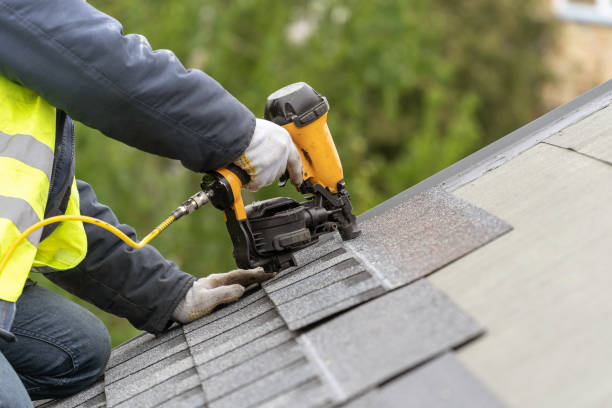
Quality Assurance Tips After Roofing Contractors Saint Michael MN Install Your New Roof

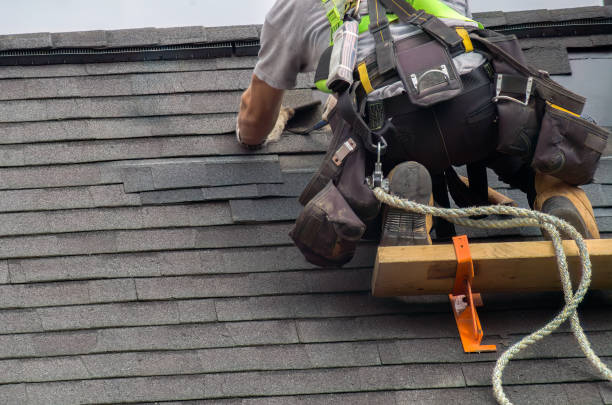
istockphoto-1172013285-612×612

Ensuring Proper Shingle Placement for Roofing Saint Michael MN

The placement of shingles is one of the most visible indicators of roofing quality. Look for:
Uniform alignment: Shingles should be evenly spaced and aligned in straight rows.
Proper overhang: Shingles should extend slightly beyond the edges of your roof (typically about 1-1.5 inches) to allow water runoff without exposing your structures.
No visible gaps or nails: Exposed nail heads or gaps can lead to leaks over time, especially in harsh weather conditions.

Expert Tips for Roof Installation Saint Michael MN: Check Flashing Around Key Areas

Flashing is used to prevent water infiltration at vulnerable points like chimneys, skylights, vent pipes, and valleys. To ensure proper flashing installation:
– Verify that flashing is tightly secured and sealed with no gaping edges or loose areas.
– Look for rust-free metal flashing in good condition as rusted materials can compromise long-term durability.

Expert Roofers Saint Michael MN: Assessing Roof Ventilation Components

A well-installed roof includes effective ventilation systems to regulate temperature and moisture levels in the attic. Make sure: – Ridge vents and soffit vents are installed correctly without blockages. – The ventilation design aligns with recommendations for your region’s climate.

Examine Sealing and Waterproofing Layers

Underneath the shingles lies crucial waterproofing material meant to protect against moisture intrusion: – Confirm that an underlayment or moisture barrier was installed beneath shingles. – Ensure eaves are properly sealed against ice dams if you live in colder climates.

Test Gutters and Drainage Systems

Gutters play an important role in channeling water away from your home: – Inspect gutters to confirm they are securely attached along roofing edges. – Pour water into gutters ensuring downspouts cleanly direct flow w/o blockage interfering

Tips from Roofing Repair Contractors Saint Michael MN on Avoiding Common Roof Installation Mistakes

Roof installation is a critical process that requires precision and expertise to ensure the structure is durable, functional, and aesthetically pleasing. Unfortunately, common mistakes during installation can lead to severe issues down the line. Below are some of the most frequent errors made during roof installation and steps you can take to prevent them.

1. Improper Nailing Techniques

One of the most common mistakes in roof installation is incorrect nailing. Nails that are overdriven, underdriven, or misplaced can compromise the shingles’ integrity.

How to Avoid: – Ensure nails are driven flush with the shingle surface but not too deep. – Use roofing nails of proper length and material for your specific roofing system. – Verify that nails are placed in alignment with the manufacturer’s recommendations.

2. Poor Flashing Installation

Flashing protects vulnerable areas like chimneys, vents, and valleys from water penetration. Poorly installed or inadequate flashing can lead to leaks.

Signs of Faulty Flashing: – Visible gaps around chimneys or vents. – Loose or unsealed flashing edges.

How to Prevent This Error: – Use high-quality materials such as aluminum or galvanized steel for flashing. – Double-check that all flashing areas are properly sealed using roofing cement or a compatible adhesive.

3. Inefficient Ventilation

Improper attic ventilation leads to moisture buildup, which can weaken the roof’s structure over time and affect energy efficiency in your home.

Ways to Avoid Ventilation Errors: – Install ridge vents, soffit vents, or gable vents as needed based on your attic space size. – Consult with roofing experts on adequate airflow calculations.

4. Incorrect Shingle Alignment

Misaligned shingles not only affect curb appeal but also create weak spots where water can seep through.

Common Causes of Misalignment: – Rushing during installation. – Improper use of guides or chalk lines.

Prevention Tips: – Lay shingles following a straight chalk line guide. – Regularly inspect rows throughout installation for consistency.

5. Insufficient Roof Slope Considerations

Using improper materials for low-slope roofs can lead to pooling water and faster wear-and-tear.

Solution: Select materials designed specifically for low-slope roofs (e.g., rubber membrane systems or specialized rolled roofing).

Essential Checklist for Roofing Repair Service Saint Michael MN

After completing a roof installation: 1. Inspect all nail placement visually. 2. Confirm all areas with flashing are securely sealed. 3. Check ventilation components for proper functionality. 4. Verify alignment consistency across all shingle rows. 5. Assess whether material choices align with slope requirements.

By addressing these key issues upfront and conducting thorough post-installation reviews, both homeowners and contractors can ensure long-lasting results while minimizing future repair costs.

How to Choose the Best Roofing Repair Company Saint Michael MN for Proper Ventilation Needs

Proper roof ventilation is a critical component in maintaining the longevity of your roof, ensuring energy efficiency, and preventing costly issues like mold growth or structural decay. Understanding how to identify effective roof ventilation will help you protect your home investment while improving overall comfort.

Signs of Proper Roof Ventilation

  • Consistent Indoor Temperatures: If attic spaces and rooms directly beneath the roof maintain steady temperatures year-round, this suggests proper airflow.
  • No Signs of Moisture Accumulation: Look for a dry attic space without condensation on surfaces or damp insulation. Moisture can lead to mold or mildew, signaling inadequate ventilation.
  • Even Roof Shingle Wear: Uneven wear patterns on shingles may indicate heat buildup caused by insufficient air circulation. A uniformly aged roof suggests adequate ventilation.
  • Lack of Ice Dams in Winter: In colder climates, ice dams forming along roof edges may be a sign of poor attic airflow and temperature regulation.

Common Types of Ventilation Systems

Vent Type Description Benefits
Ridge Vents Installed along the peak of the roof Provides even airflow across entire attic
Soffit Vents Located underneath the eaves Allows cool air to enter from below
Gable Vents Positioned on gable ends Enhances cross-ventilation
Powered Attic Fans Motorized fans for enhanced airflow Effective in high-humidity climates

Why Roof Ventilation Matters

  1. Extends Roof Lifespan: Poor ventilation can lead to heat buildup that degrades shingles prematurely or allows moisture damage over time.
  2. Energy Efficiency: Adequate airflow keeps the attic cooler in summer months, reducing reliance on air conditioning and lowering energy bills.
  3. Prevents Mold and Mildew: Moisture trapped in poorly ventilated attics creates a breeding ground for mold spores, which can pose health risks for occupants.
  4. Reduces Winter Damage Risks: Proper circulation minimizes snow melting unevenly on roofs that causes ice dam formation.

Steps to Assess Your Roof’s Ventilation

  1. Check attic spaces for dampness or signs of condensation.
  2. Look at vents (ridge, soffit, or gable) to ensure they’re clear of obstructions like debris or insulation.

  3. Unusually high heating/cooling costs might signal inefficiencies due to poor circulation.

  4. Schedule an inspection with a licensed roofer who can evaluate existing vents and recommend upgrades if necessary.

  5. Verify your home complies with local building codes regarding minimum venting requirements based on square footage.

Ensuring your roof has proper ventilation is an essential step toward long-term performance and cost savings for your property. By routinely monitoring its effectiveness and addressing any deficiencies promptly, you’ll protect both your home’s structure and indoor comfort levels effectively over time.

How to Identify Proper Roof Ventilation with a Roofing Company Saint Michael MN

Proper roof ventilation is an essential component of any well-installed roofing system. Without it, your home could face a range of problems, from increased energy costs to premature roof failure. Here’s how to identify if your roof has adequate ventilation and why maintaining proper airflow is crucial.

Why Roof Ventilation Is Important

  • Prevents Moisture Damage: Poor ventilation can lead to condensation in the attic, which can rot wood framing and promote mold growth.
  • Extends Roof Lifespan: Excessive heat buildup under the roof can cause shingles to warp or deteriorate prematurely.
  • Improves Energy Efficiency: A poorly ventilated attic retains heat during summer months, making your HVAC system work harder and increasing energy bills.
  • Reduces Ice Dams in Winter: Proper ventilation prevents uneven roof temperatures that cause snow to melt and refreeze at the edges, forming damaging ice dams.

Signs That Your Roof Has Improper Ventilation

  1. Excessive Heat in the Attic
    If your attic feels significantly hotter than outside during summer, it may lack proper ventilation.

  2. Moisture Accumulation or Mold Growth
    Water stains on beams or insulation, musty odors, or visible mold are signs that moisture is trapped due to poor airflow.

  3. Peeling Paint or Warped Wood
    Condensation caused by improper ventilation can damage interior walls, ceilings, and wooden structures.

  4. Increased Energy Bills
    If you’ve noticed a spike in cooling costs during warm months or difficulty heating in winter, poor roof ventilation might be contributing.

  5. Ice Dams During Winter Months
    Uneven melting patterns on your roof may indicate inadequate airflow managing heat distribution.

Ways to Check for Proper Roof Ventilation

  • Inspect for visible vents such as ridge vents (along the peak of the roof), soffit vents (underneath eaves), and gable vents.
  • Measure attic temperature relative to outdoor conditions; they should be similar.
  • Look for signs of condensation inside the attic space (e.g., damp insulation).
  • Confirm vent openings are unobstructed by debris or insulation materials blocking airflow.
  • Check air circulation by using smoke pencils near vent openings; proper movement suggests good airflow.

Types of Roofing Vent Systems

Type Description
Ridge Vents Run along the peak of the roof; allow hot air to escape evenly
Soffit Vents Located under eaves; draw cool outside air into attic
Gable Vents Installed on gable ends; provide cross-breezes
Powered Vents Use fans powered by electricity or solar energy for forced-air circulation

Selecting an appropriate configuration depends on factors like climate conditions and home architecture.

Maintaining Proper Ventilation Over Time

  • Clean soffit vents periodically to avoid debris accumulation.
  • Ensure insulation doesn’t block vent openings.
  • Schedule annual professional inspections as part of regular home maintenance routines.

Maintaining proper roof ventilation not only protects your investment but also ensures comfort and reduced energy costs throughout every season year after year.

Thorough Clean-Up Process After a Professional Roofing Service Saint Michael MN Installation

A clean worksite is a critical aspect of any professional roofing project. Once roofers have completed the installation, ensuring the property is left in a pristine condition not only speaks to the quality of their service but also minimizes safety risks and enhances customer satisfaction. Below are essential steps and considerations to confirm that the clean-up process has been handled thoroughly and professionally.

Why Post-Installation Clean-Up Matters

After completing a roofing project, leftover debris such as nails, shingles, and packaging materials can pose serious hazards:
Safety Concerns: Sharp objects like nails or tools can cause injuries to homeowners or pets.
Aesthetic Appeal: Debris left behind detracts from the visual appeal of your home.
Environmental Impact: Improper disposal of materials can harm the environment or violate local regulations.

Steps to Ensure Thorough Clean-Up

  1. Walk around your property after the crew finishes their work.
  2. Look for stray materials like shingles, plastic, wood pieces, or roofing nails on lawns, driveways, and patios.

  3. A professional crew should use magnetic sweepers to locate hidden nails in grassy or hard-to-access areas.
  4. Request confirmation that this step was completed.

  5. Roofing debris often accumulates in gutters during installation.
  6. Ensure gutters are cleared so they function properly after heavy rainfall.

  7. Ask if old roofing materials were taken to an authorized recycling center or disposal site.
  8. Verify that hazardous waste (e.g., asbestos-containing materials) was handled in compliance with local regulations.

  9. Inspect gardens, flowerbeds, and shrubs near your home for damage or misplaced debris.
  10. Confirm that tarps were used to protect landscaping during installation.

  11. Check for forgotten tools or equipment on your property which could lead to accidents.

Questions To Ask Your Contractor

Question Why It’s Important
Did you use magnetic tools to remove hidden nails? Nails are small but potentially dangerous if left behind.
Were all old materials removed from my property? Ensures proper disposal without environmental violations.
Was landscaping protected during installation? Prevents damages that may require additional repairs.

Signs of a Professional Roofing Crew

  • Use tarps or protective coverings before beginning work.
  • Conduct multiple inspections throughout their clean-up routine.
  • Provide homeowners with documentation confirming proper material disposal where necessary.

By holding contractors accountable for thorough clean-up practices, you safeguard your home from hazards while ensuring peace of mind after investing in a new roof installation.
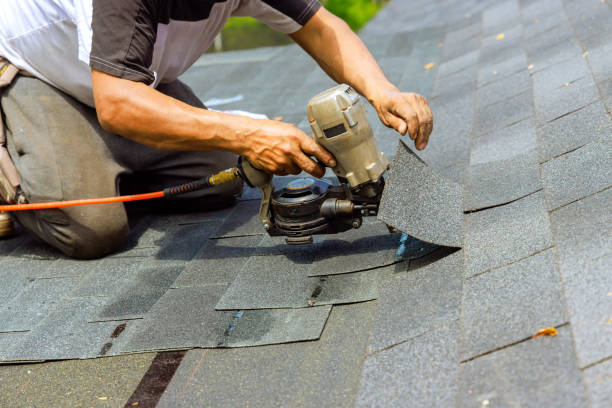
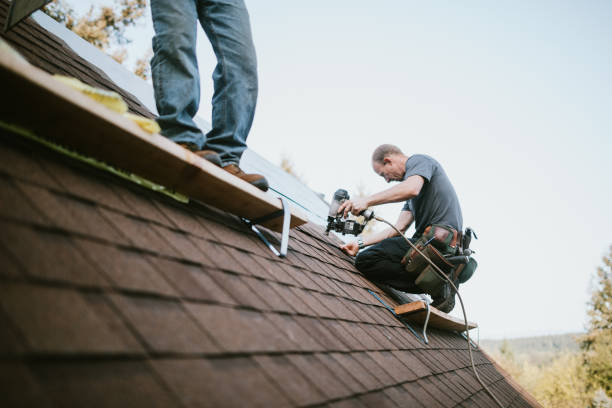
istockphoto-2166940007-612×612

Understanding Roofing Repair Saint Michael MN Warranties and What They Cover

A new roof is a significant investment, and understanding the warranty that comes with it is essential to ensure your peace of mind. Roofing warranties vary depending on the manufacturer, contractor, and materials used. Below, we break down the key aspects of a typical roofing warranty and what you should look for.

Types of Roofing Warranties

  1. Covers defects in roofing materials themselves.
  2. Typically ranges from 10 to 50 years, depending on the material (e.g., asphalt shingles vs. metal roofing).
  3. May include prorated coverage over time, meaning coverage decreases as the roof ages.

  4. Issued by the roofing contractor to cover errors or issues stemming from improper installation.
  5. Length varies widely (from 1 year to 10+ years), depending on the contractor’s policies and reputation.

Key Components of Roofing Warranties

  • Coverage Period: Understand how long you are covered for both material defects and installation issues.
  • Prorated vs Non-Prorated Coverage: Some warranties provide full coverage initially but reduce their payout percentage over time (prorated).
  • Transferability: If you sell your home, find out if the warranty can be transferred to the new owner as this can add value to your property.
  • Exclusions: Check for exclusions like damage caused by natural disasters (hurricanes, earthquakes), poor maintenance, or alterations by other contractors post-installation.

Common Scenarios Covered By Warranties

Issue Manufacturer’s Warranty Workmanship Warranty
Material defects Yes No
Improper installation No Yes
Leaks caused by poor sealing No Yes
Wind damage Sometimes (depending on material specs) No

Questions to Ask Your Roofer About Warranties

  • Are both material and workmanship warranties included? If not, why?
  • What specific materials are covered under the manufacturer’s warranty?
  • Is there an extended warranty option available for additional cost?
  • Will routine maintenance impact my coverage?
  • What steps should I take if I need to file a claim?

Tips for Maintaining Your Warranty

  • Schedule regular inspections and maintenance as recommended by your roofer or manufacturer. Neglected roofs may void warranties.
  • Avoid DIY repairs that could compromise installation integrity.
  • Document all professional inspections or repair work performed on your roof in case proof is needed during a claim process.

Understanding what is covered under your roof’s warranties helps protect you financially while ensuring that any unexpected issues are addressed promptly and effectively.


Key Roles and Responsibilities of Professional Roofing Contractors Saint Michael MN

istockphoto-1731524763-612×612

A professional roofing contractor plays a critical role in ensuring the safety, durability, and functionality of your roof. Their responsibilities go beyond basic repairs or installations, encompassing a wide range of tasks aimed at delivering high-quality roofing solutions while protecting your property. Below is a detailed look at the key roles and responsibilities of a professional roofing contractor.

Comprehensive Roofing Saint Michael MN Inspection and Assessment

An effective inspection provides valuable insights that inform repair or replacement recommendations.

Comprehensive Cost Estimations and Project Planning for Roof Installation Saint Michael MN

Item Description Example Costs (Varies by region)
Labor Installation/removal services $3-$5 per square foot
Materials Shingles, tiles, underlayment $100-$150 per bundle
Disposal Fees Removal and disposal of old materials $50-$100 per ton

Additionally, they develop comprehensive project plans that outline timelines, required materials, permits needed, and contingency plans for unforeseen issues.

Professional Installation and Repair Services by Roofers Saint Michael MN

  • Removing old roofing materials safely.
  • Installing underlayments (e.g., waterproof barriers).
  • Placing shingles, tiles, or other roofing components securely.
  • Repairing damaged sections without compromising structural safety.

Their expertise ensures that roofs are installed or repaired in accordance with local building codes.

4. Adherence to Safety Standards

  • Using appropriate harnesses and fall-protection equipment.
  • Ensuring scaffolding is secure.
  • Training team members on safe practices during installation or repair work.

Compliance with OSHA (Occupational Safety and Health Administration) standards is also critical to ensure job-site safety.

5. Use of High-Quality Materials

  • Asphalt shingles for affordability and versatility.
  • Metal roofing for durability in extreme weather conditions.
  • Clay tiles for aesthetic appeal combined with longevity.

Their material selection ensures that roofs withstand wear-and-tear over time while maintaining their appearance.

6. Warranty Provision

  • Manufacturer’s warranty on materials (e.g., shingles).
  • Workmanship warranty covering installation quality concerns.

This offers homeowners peace of mind when investing in a new roof or extensive repairs.

7. Communication with Clients

  • Provide regular updates about project progress.
  • Discuss potential changes or delays honestly.
  • Answer any questions regarding maintenance after completion.

This transparent approach fosters trust between contractor and homeowner while ensuring expectations are met effectively.

By fulfilling these roles responsibly, professional roofing contractors help safeguard homes against environmental damage while extending the lifespan of one of the most critical components—the roof itself.

Finding the Best Roofing Repair Contractors Saint Michael MN: A Guide to Professional Roofing Projects

A professional roofing project requires careful planning, skilled execution, and attention to detail at every stage. Homeowners and property managers often underestimate the complexity of roofing work, but understanding the process can help ensure a smoother experience. Here’s a detailed breakdown of what goes into a roofing project from start to finish.

Initial Consultation and Assessment

  1. Roofers begin with an on-site inspection to evaluate the current state of the roof.
  2. This step involves identifying structural issues, leaks, or damage caused by weather or aging.
  3. Detailed measurements are taken to estimate material requirements accurately.

  4. During this phase, roofers discuss client preferences regarding materials, design considerations, and budget constraints.
  5. Options such as asphalt shingles, metal roofing, or tile are presented along with their pros and cons.

  6. A comprehensive proposal is created outlining project scope, timelines, labor costs, material expenses, and warranties.

Planning and Permits

  • Material Selection and Procurement: Based on consultation decisions, roofers order appropriate materials.
  • Obtaining Permits: Securing necessary permits is crucial for compliance with local building codes.
  • Scheduling: Contractors schedule the project based on weather conditions to minimize delays.
Key Items in Planning Purpose
Material selection Ensures durability & aesthetic congruence
Permits Guarantees legal compliance
Timeline preparation Reduces disruptions during installation

Demolition and Preparation

  • Old roofing materials are removed carefully without damaging underlying structures.
  • Protective measures like tarps or plywood sheets are used to safeguard landscaping and exterior spaces.
  • Structural components such as decking are inspected for rot or deterioration. Repairs are performed as necessary before moving forward.

Installation Process

    • A waterproof underlayment is applied as a protective barrier against moisture penetration.
    • Metal flashing is installed around vents, chimneys, and skylights to prevent water intrusion in these vulnerable areas.
    • Roofers carefully place shingles or panels following manufacturer guidelines for durability.
    • Proper ventilation ensures temperature regulation within the attic space while extending the life of the roofing system.

Final Inspections

  • The team conducts a thorough quality inspection to ensure all components meet industry standards.
  • Cleanup involves removing debris from the site and checking for stray nails or materials that could pose risks.
Checklist for Final Inspection Importance
Verifying flashing seals Prevents water leaks
Confirming proper alignment of shingles or panels Enhances roof longevity
Reviewing ventilation systems Optimizes energy efficiency

By following these steps in sequence—from consultation through final inspection—homeowners can trust that their new roof will be reliable and long-lasting while meeting all safety standards.

Step-by-Step Guide to Roofing Repair Service Saint Michael MN and Roof Replacement Planning

A successful roof replacement project begins with a meticulous inspection and well-thought-out planning. This step is critical to ensure that all potential issues are identified, the right materials are chosen, and the project stays within budget and timeline. Below is a detailed guide to the inspection and planning process for roof replacement projects.

Step 1: Comprehensive Roof Inspection

  • Roof Structure: Checking for sagging sections or structural weaknesses.
  • Roofing Material Condition: Assessing shingles, tiles, or other materials for wear, cracks, or damage.
  • Leaks and Water Damage: Identifying areas with water stains, mold, or rot.
  • Flashing Issues: Ensuring that flashing around chimneys, vents, and skylights is intact.
  • Gutters and Drainage Systems: Examining gutters for clogs or signs of corrosion.

The findings from this inspection form the foundation for creating an effective plan.

Step 2: Identifying Underlying Issues

  • Compromised decking
  • Insufficient attic ventilation
  • Deteriorated insulation
  • Outdated roofing components

Addressing these issues during the planning phase ensures long-term durability after installation.

Step 3: Material Selection

Material Type Key Features Lifespan (Years)
Asphalt Shingles Affordable, widely available 20–30
Metal Roofing Durable, energy-efficient 40–70
Clay or Concrete Tiles Excellent weather resistance 50+
Wood Shakes/Shingles Natural appearance but higher maintenance 20–40

Professional contractors also help match material choices with factors like architectural style, local climate conditions, and budget constraints.

Step 4: Budget Creation

  1. Removal of old roofing material.
  2. Labor expenses.
  3. Cost of new roofing materials.
  4. Additional repairs (e.g., decking replacement).
  5. Permits required by local authorities.

This financial outline eliminates surprises during execution.

Step 5: Timeline Development

An organized timeline keeps both contractors and homeowners on track throughout the project lifecycle. Contractors will consider variables such as weather conditions and material delivery dates when estimating completion timeframes.

Why Proper Inspection & Planning Matter

  • Overlooking structural issues may necessitate premature repairs.
  • Poor material selection could result in energy inefficiency.
  • Inaccurate cost estimates can strain budgets unexpectedly.

By working with an experienced professional who follows these steps diligently, homeowners can ensure their roof replacement project proceeds smoothly from start to finish without unnecessary setbacks or delays.

Expert Tips from a Roofing Repair Company Saint Michael MN for Roof Replacement Projects

Proper preparation and protection measures are vital components of any roof replacement project. These steps ensure not only the efficiency of the installation process but also the safety of your property and those involved in the work. Below, we explore these critical elements in detail.

Site Preparation for Roof Replacement

  • Clearing the Work Area: Removing outdoor furniture, potted plants, vehicles, or any objects near the work zone to provide sufficient space for materials and equipment.
  • Protecting Landscaping: Covering shrubs and flower beds with tarps or protective sheeting to shield them from falling debris.
  • Designating a Staging Area: Establishing a dedicated area for storing roofing materials, tools, and waste disposal containers.

Protecting Your Home During Roof Replacement

  1. Tarps or plywood may be used to guard windows and skylights against accidental breaks or scratches caused by falling debris.

  2. For homes with open attic spaces, plywood sheathing can be placed underneath the roof deck to catch small debris that might fall through during removal.

  3. Homeowners are advised to remove fragile items such as artwork, mirrors, or glass fixtures from walls or shelves as vibrations can cause movement inside.

  4. To prevent damage to gutter systems during roofing activities, contractors often install temporary barriers around gutters.

Weather Monitoring and Scheduling

  • Avoiding rainy or storm-prone periods minimizes delays while also helping ensure that materials remain dry throughout installation.
  • Temporary coverings like waterproof tarps are kept on hand to shield exposed sections of roofs in case unexpected weather changes occur.

Waste Management During Roofing Projects

Task Description
On-site dumpster placement A dumpster is typically positioned near work zones for efficient disposal
Daily waste removal practices Crews clean up discarded shingles and nails at the end-day progress
Use magnetic rollers Specialized magnets help locate stray nails/metal left scattered post-project

Communication with Property Owners

Ensure discussing progress schedules beforehand . Empowerment transparency benefits both stakeholders

Understanding the Installation Process with a Roofing Company Saint Michael MN

When it comes to roofing projects, the system installation process is one of the most critical phases. Proper installation ensures the roof’s longevity, resilience, and ability to protect your home from environmental elements. Below is an overview of this process, complete with key steps, considerations, and tips.

Key Stages of Roof System Installation

  1. Remove old roofing materials: This involves stripping away shingles or other coverings from the existing roof surface.
  2. Inspect for damage: The decking must be checked for signs of wear, rot, or structural issues. Any damaged sections will need to be repaired or replaced before proceeding.

  3. Purpose: The underlayment is a waterproof layer that acts as a barrier between the roof deck and external elements like rain and snow.
    • Asphalt-saturated felt
    • Synthetic underlayment (more durable and moisture-resistant)
  4. Flashing Installation
    Flashing is applied around roof features such as chimneys, skylights, vents, and valleys to prevent water infiltration in vulnerable areas. Properly installed flashing protects against leaks by directing water away from seams and joints.

  5. Shingle or Roofing Material Placement
    Depending on your chosen roofing material (e.g., asphalt shingles, metal panels, tiles), pieces are installed methodically starting from the base of the roof upward in overlapping layers to ensure proper water runoff.

  6. Ventilation System Setup
    Adequate ventilation minimizes heat buildup in your attic space while reducing moisture accumulation that can lead to mold or structural problems. Common ventilation elements include ridge vents and soffit vents.

  7. Final Sealing and Securing
    To finish off installation:

  8. Edges are sealed to ensure weather-tight barriers.
  9. Roofing nails or fasteners are double-checked for proper placement and security.

Factors Impacting Installation Quality

Factor Importance
Material Selection High-quality materials extend durability and performance over time.
Installation Technique Following manufacturer guidelines ensures warranty compliance and safety.
Weather Conditions Avoiding installation during extreme weather reduces risks of errors.

Benefits of Professional Roofing Installation

  • Compliance with local building codes.
  • Expert knowledge when handling complex roof designs.
  • Access to high-grade tools that result in a cleaner finish.
  • Warranties on both labor and materials used.

Common Mistakes During Roof Installation

  • Improper nail placement leading to loose shingles over time.
  • Overlooking ventilation needs which can cause attic condensation issues.
  • Using incompatible materials that reduce overall roof efficiency.

The system installation process forms the heart of any successful roofing project—and attention to detail at this stage builds a foundation for long-term performance you can trust.

Finalization and Quality Assurance in Roofing Service Saint Michael MN Projects

Finalizing a roofing project and ensuring quality assurance are critical steps that determine the long-term success and durability of the roof. Professional roofing contractors follow systematic processes to ensure that all elements of the installation or repair meet industry standards while delivering superior results. Below is a breakdown of how finalization and quality assurance are handled in professional roofing projects.

Final Inspections

  • Shingles or Roofing Material Placement: Ensuring shingles, tiles, or panels are correctly aligned, secured, and free from damage.
  • Flashing: Verifying that all flashing around chimneys, vents, skylights, and edges is sealed properly to prevent water penetration.
  • Roof Decking: Checking if the underlayment and decking are intact without any warping or gaps.
  • Ventilation Systems: Assessing whether ventilation systems are properly installed for optimal airflow within the attic space.

Cleaning Up the Worksite

  1. Debris Removal: Clearing away old roofing materials, nails, packaging waste, and other debris generated during installation or repairs.
  2. Magnetic Sweep: Using magnetized tools to pick up loose nails scattered around driveways, yards, or gardens for added safety.
  3. Material Recycling: Responsible contractors often recycle materials like metal scraps or asphalt shingles when possible.

Testing Structural Integrity

  • Water-resistance testing involves simulated rainfall to confirm there are no leaks.
  • Wind-resistance evaluations check if all sections meet local building codes regarding wind uplift ratings.

Homeowner Walkthrough

  • The contractor explains key features of new installations (e.g., energy-efficient materials).
  • Maintenance tips for extending roof longevity may be shared.
  • Homeowners can ask questions about warranties on labor as well as material guarantees.

Quality Documentation & Compliance

Document Type Purpose
Warranty Certificates Outlines coverage details for installed materials
Inspection Reports Confirms all aspects passed regulatory checks
Permit Closure Receipts Proves that required permits were obtained/closed

This paperwork is essential should future repairs need validation through warranty claims.

Adhering closely to these finalization processes reflects a commitment to quality workmanship by professional roofers while providing homeowners with peace of mind knowing their investment stands up against time-tested standards.

istockphoto-979361764-612×612

How to Choose the Best Roofing Repair Saint Michael MN Contractor for Your Home Improvement Needs

Selecting the right roofing contractor is a critical decision for any homeowner. A roof is not only a significant financial investment but also a key component that protects your home and its contents. To ensure your home improvement project is successful and stress-free, follow these steps and considerations when choosing a roofing contractor.

Research and Verify Credentials

  • Licensing: Ensure the contractor holds the proper licenses required by your state or municipality. This indicates they meet legal requirements to perform roofing work.
  • Insurance: Verify that the contractor carries both liability insurance and workers’ compensation insurance to protect you in case of accidents or property damage.
  • Certifications: Look for certifications from reputable manufacturers, such as GAF, Owens Corning, or CertainTeed, which demonstrate expertise with specific roofing materials.

Check Experience and Reputation

  • Years in Business: Contractors with several years of experience are likely to provide better workmanship compared to newer companies.
  • Portfolio: Ask for examples of previous projects similar to your needs (e.g., roof replacement, repair, or installation).
  • References: Request references from past customers, particularly those who had similar work done recently. Contact them to ask about their satisfaction with quality, timeliness, and communication.
  • Online Reviews: Platforms like Google Reviews, Yelp, and Better Business Bureau ratings can give insight into community reputation and customer experiences.

Evaluate Written Estimates

Element What To Look For
Scope of Work Detailed outline of tasks involved
Materials Specific brands/types of materials listed
Costs Transparent breakdown of labor and material costs
Timeline Clear expected start and completion dates

Avoid estimates that seem significantly lower than others—it could be a red flag signaling potential shortcuts or hidden fees.

Assess Communication Skills

  • Do they respond promptly to emails or calls?
  • Are they willing to answer questions thoroughly?
  • Do they explain processes clearly without pressuring you?

Good contractors value collaboration with their clients.

Validate Warranties Offered

Reputable contractors provide warranties for both materials used (manufacturers’ warranties) and their workmanship (labor warranties). Make sure both aspects are well-covered in case issues arise after installation.

Red Flags to Watch Out For

  1. Require large upfront payments before starting work.
  2. Lack physical business addresses.
  3. Offer vague contracts without specified details.
  4. Push high-pressure sales tactics rather than letting you make an informed decision.
  5. Refuse to provide proof of licensing or insurance.

By following these guidelines carefully, you can confidently choose a qualified professional who will deliver quality results for your roofing project while protecting your investment long-term. Taking time upfront will save stress later on during this important upgrade for your home’s protection assets professionally.


Key Signs You Need Roofing Repair Contractors Saint Michael MN Homeowners Should Know

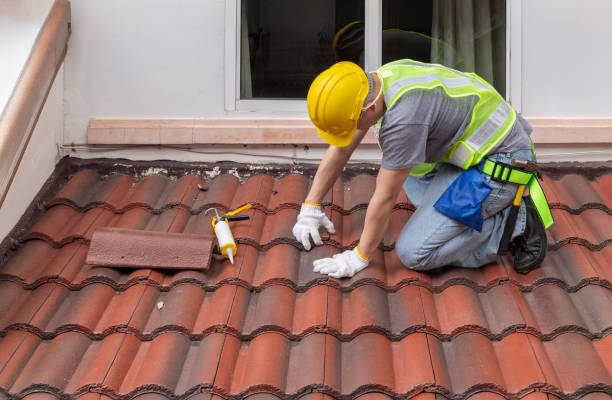
Construction worker is inspecting roof tile cracked.

A roof is one of the most critical components of your home, protecting it from the elements and ensuring structural integrity. However, like every other part of your home, a roof has a finite lifespan. Knowing when to replace your roof can save you money, prevent extensive damage, and ensure the safety of your household. Below are key signs that every homeowner should be aware of when assessing the condition of their roof.

Asphalt shingles: 20–25 years
Metal roofs: 40–70 years
Clay tiles: 50+ years
Wood shakes or shingles: 20–30 years

If your roof has reached or exceeded its expected lifespan, it may be time to plan for a replacement.

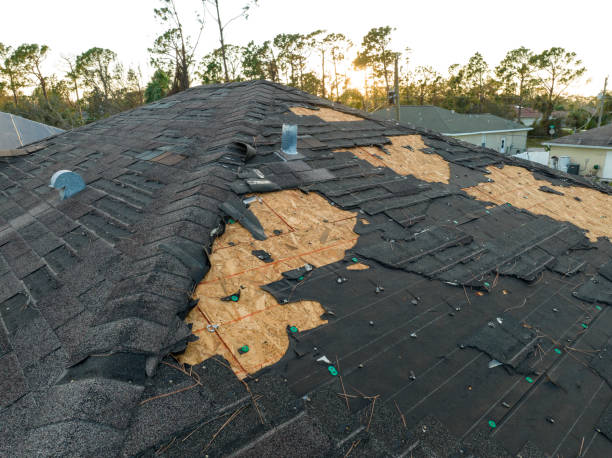
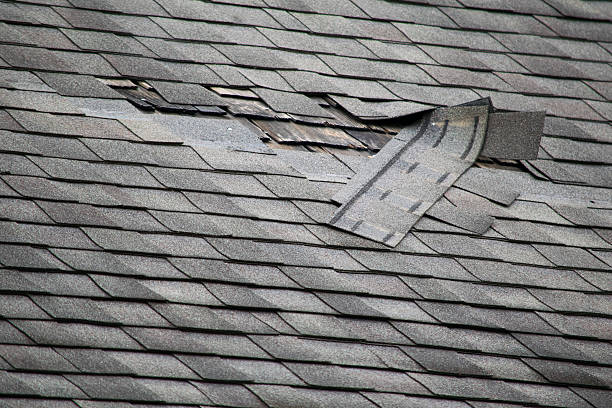
Inspecting shingles can reveal obvious signs that a roof is deteriorating: – Curling or buckling shingles indicate weather-related wear. – Missing shingles leave unprotected areas vulnerable to leaks. – Cracked shingles often signal aging or storm damage.

Shingles in poor condition compromise the entire structure’s ability to repel water effectively.

Granules on asphalt shingles help protect against UV rays and weathering. Over time, these granules may wear off and collect in gutters or downspouts. Excessive granule loss accelerates shingle aging and reduces durability.

Table: Signs of Granule Loss

Indicator What It Means Potential Risk
Dark patches on shingles Exposed underlayer Water penetration
Granules in gutters Accelerated shingle wear Shorter lifespan
Bald-looking shingles Severe granule erosion Immediate attention

Water stains on walls or ceilings often point to leaking issues caused by roofing failures. Check for: – Stains or discoloration inside the house. – Dampness in attics or crawl spaces. – Mold growth caused by trapped moisture.

Leaks left untreated can result in costly structural repairs over time.

A sagging roofline suggests serious structural problems, often due to water damage or weakened support systems beneath the roofing materials. If you notice any sagging areas, immediate action is required as this could pose safety risks.

A failing roof may no longer provide proper insulation from outdoor temperatures, causing heating and cooling systems to work harder than necessary. If energy costs suddenly rise without explanation, your roof’s insulating capabilities might be compromised.

How Often Should You Inspect Your Roof?

Routine inspections are essential for extending your current roof’s lifespan and identifying potential problems before they worsen: – Inspect annually under normal conditions. – Perform additional checks after severe storms or high winds.

Regular maintenance helps catch small issues early—saving you both money and stress later on.

By being proactive about recognizing these warning signs, homeowners can avoid costly repairs while maintaining their property’s value over time. If you’re uncertain about your roof’s condition, consider reaching out to a professional roofer for an expert assessment tailored specifically to your home’s needs.

How Roofing Contractors Saint Michael MN Can Help Ensure Roof Longevity and Safety

Your roof is constantly exposed to the elements, which can lead to wear and tear over time. Conducting routine checks ensures small issues are addressed before they develop into costly repairs or replacements.

Top Benefits of Roofing Repair Service Saint Michael MN for Your Home

  1. Early Problem Detection
    A timely inspection can identify problems such as loose shingles, cracks, leaks, or sagging areas before they worsen. Early detection not only saves money but also reduces the risk of extensive damage to your property.

  2. Extended Roof Lifespan
    A well-maintained roof can last much longer than one that is neglected.

  3. Energy Efficiency
    Damaged roofs often lead to air leaks, which can increase heating or cooling costs for your home. Inspections ensure insulation remains intact, enhancing energy efficiency year-round.

  4. Safety Assurance
    A weakened roof structure poses risks to homeowners, especially during storms or heavy snowfalls. Regular inspections help maintain a safe environment for you and your family.

Key Areas a Roofing Repair Company Saint Michael MN Recommends Inspecting

  • Shingles: Check for curling, cracking, or missing shingles.
  • Flashing: Look for rusted or damaged flashing around chimneys, vents, and skylights.
  • Gutters: Inspect gutters for debris buildup that could lead to water overflow.
  • Attic: Examine the attic interior for signs of moisture or light penetration through the roof.
  • Roof Valleys: Assess these areas where water naturally flows; any blockages or damages here can lead to significant leaks.

Choosing a Roofing Company Saint Michael MN for Professional Inspections vs.

Aspect DIY Inspection Professional Inspection
Equipment Needed Ladder & binoculars Advanced tools & safety gear
Depth of Evaluation Surface-level issues Comprehensive assessment
Risk Factors Higher risk due to inexperience Low risk with trained professionals
Frequency Recommended Quarterly Annually or bi-annually

For safety reasons, it’s recommended that homeowners opt for professional evaluations at least once a year or after severe weather conditions like hailstorms.

When Should You Call a Roofing Service Saint Michael MN Professional

  • After witnessing water stains on ceilings or walls
  • Following extreme weather events (e. g.
  • Noticing sagging areas on the roof
  • Experiencing unexplained spikes in energy bills due to air leaks

By staying proactive about inspecting your roof regularly—even if no apparent issues exist—you’re investing in the long-term health and security of your home while minimizing unexpected expenses down the line.

Expert Roofing Repair Saint Michael MN – Let Us Handle All Your Needs

Your roof serves as the first line of defense against the elements, protecting your home, family, and belongings. When it comes to maintaining, repairing, or replacing your roof, working with experienced professionals can make all the difference. Here’s why entrusting your roofing needs to skilled experts is essential.

Benefits of Hiring Professional Roofing Services

  1. Expert Knowledge and Skills
    Roofing professionals bring years of training and hands-on experience to every project. They are equipped to handle different types of roofing materials and structures, ensuring your roof meets the highest standards of safety and durability.

  2. High-Quality Materials
    Roofers with professional expertise have access to premium materials that might not be available through retail outlets.

  3. Safety First
    Roofing projects can be hazardous without proper equipment or training. Professionals are well-versed in safety protocols and use specialized tools to prevent accidents during installation or repairs.

  4. Cost-Effective Solutions
    While DIY efforts might seem like a way to save money initially, mistakes can lead to costly repairs later on. Hiring a professional ensures the job is done right the first time, avoiding unnecessary expenses in the future.

  5. Warranty Protection
    Many reputable roofing companies offer warranties on both their labor and materials. This provides homeowners with added peace of mind knowing that any potential issues will be covered within a specified period.

What Services Do Professional Roofers Offer?

  • Roof Replacements:Install new roofs using modern techniques for enhanced durability.
  • Emergency Services:Address urgent repair needs after storms or sudden damage.
Service Type Key Benefit
Inspections Preventative care; identifies early warning signs
Repairs Restores functionality; prevents interior damage
Replacements Improves energy efficiency; adds property value
Maintenance Extends roof life; reduces long-term costs
Emergency Services Immediate solutions for unexpected situations

How We Ensure Excellence in Every Project

At our company, we pride ourselves on delivering top-tier craftsmanship coupled with exceptional customer service.

  1. Comprehensive initial consultation to understand client needs.
  2. Detailed inspection reports identifying necessary actions.
  3. Use of cutting-edge technology for precision work.
  4. Transparent communication throughout each phase of the process.
  5. Meticulous attention to detail in every repair or installation task.

Ensuring your home is protected starts with choosing a team you can trust for all your roofing needs. With our professional expertise by your side, you’ll enjoy peace of mind knowing that your investment is safeguarded for years to come.

Top Roofing Services in Saint Michael MN to Protect and Enhance Your Home

A roof plays a critical role in safeguarding your home from external elements while also enhancing its overall curb appeal. Choosing the right roofing services ensures your property remains protected, energy-efficient, and visually appealing for years to come. Below, we’ll explore some of the key roofing services that are designed to protect and enhance your home.

Expert Roof Installation Saint Michael MN Services and Maintenance

  • Identifying Damage Early: Professional inspections can uncover leaks, missing shingles, and other damages that could lead to water infiltration or structural issues.
  • Prolonging Roof Lifespan: Routine maintenance extends the life of your roofing material by addressing wear and tear proactively.
  • Ensuring Energy Efficiency: By sealing gaps or repairing worn areas, you can maintain proper insulation and reduce energy consumption.

Frequency of Inspections:A general guideline is to have your roof inspected twice a year—once in spring and once in fall—or after severe weather events like storms or heavy snowfall.

Trusted Roofers Saint Michael MN for Quality Roof Repair Services

Over time, roofs endure significant stress from environmental conditions such as wind, hail, and UV exposure.

  • Shingle Replacement: Replacing cracked or missing shingles prevents leaks and improves aesthetics.
  • Flashing Repairs: Damaged flashing around chimneys or skylights can be fixed to prevent water intrusion.
  • Gutter Repairs: Proper drainage systems keep water from pooling on the roof surface.

A professional roofer will use high-quality materials to perform repairs that restore both functionality and appearance.

Roof Replacement Options

When repairs are no longer sufficient, it might be time for a full roof replacement.

Material Type Benefits Lifespan
Asphalt Shingles Cost-effective & widely available 20–30 years
Metal Roofing Durable & energy-efficient 40–70 years
Tile Roofing Aesthetic appeal & longevity 50+ years
Slate Roofing Premium material with unmatched durability 75–100+ years

Replacing your roof not only improves durability but can also increase property value significantly.

Specialized Roofing Treatments

For added protection, specialized treatments such as waterproof coatings or reflective materials can be applied. These treatments enhance resistance against moisture while improving energy efficiency by reflecting heat from the sun.

Key benefits include: – Preventing mold growth caused by trapped moisture. – Reducing cooling costs during hot summers. – Extending the lifespan of existing roofing materials.

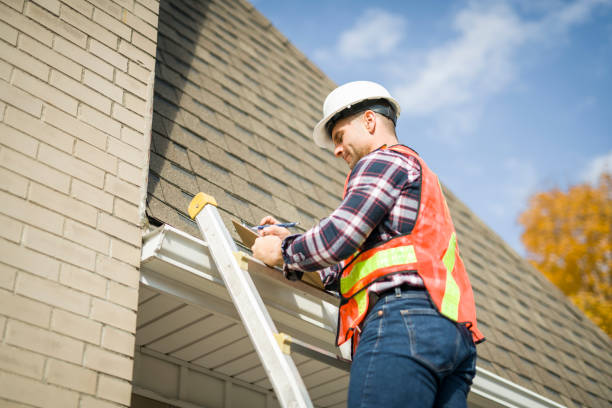
A man with hard hat standing on steps inspecting house roof

Why Hire Professional Roofing Contractors?

While DIY methods may seem tempting for minor fixes, hiring experienced professionals ensures quality workmanship.

  1. Expertise in handling multiple types of materials (asphalt shingles, metal panels, etc. ).
  2. Access to advanced tools and equipment for efficient repairs or installations.
  3. Warranties on labor and materials for peace of mind after the project is complete.

Investing in professional roofing services ultimately saves money by ensuring long-term reliability and minimizing risks associated with poor installation techniques.

By choosing trusted services tailored to your needs—whether it’s minor repairs or complete replacement—you’re investing not just in protecting your home but also enhancing its overall comfort and value over time.

Exploring Our Comprehensive Range of Roofing Services for Every Need

When it comes to roofing, every home or business has specific needs that demand tailored solutions. Whether it’s a minor repair, a complete roof replacement, or an upgrade to modern materials, a comprehensive range of roofing services ensures that all aspects of your property’s roof are well taken care of. Below is an overview of the essential services we offer to meet a variety of roofing requirements.

Roof Installation and Replacement

Installing or replacing a roof is a significant investment. Our team specializes in providing solutions customized to each property’s architectural style and the owner’s preferences.
Material Selection: Options like asphalt shingles, metal, slate, and tile to suit durability and aesthetic preferences.
Energy Efficiency: Modern materials that improve insulation and reduce energy costs.
Long-Term Performance: High-quality installation techniques ensuring optimal lifespan.

Roof Repairs

– Fixing leaks caused by damaged shingles or flashing.
– Addressing storm damage from hail or strong winds.
– Replacing worn-out underlayment layers beneath shingles.

Regular Maintenance Plans

Proactive maintenance is key to protecting your roof’s integrity over time.
– Clearing debris from gutters and downspouts for proper drainage.

– Reinforcing vulnerable points like chimneys and skylights.

Emergency Roofing Services

Unexpected weather events or accidents can cause immediate damage that requires urgent attention.
– Severe leaks or water intrusion after heavy storms.
– Structural compromises due to fallen trees or debris.

Roof Upgrades and Enhancements

Beyond basic functionality, we offer upgrades designed to enhance the appearance and efficiency of your property’s roof:
– Adding skylights for natural light without compromising insulation. – Installing ventilation systems for better airflow in attics. – Applying reflective coatings to minimize heat absorption during summer months.

Service Type Key Benefits
Roof Installation Customized solutions; improved longevity
Repairs Prevent small issues from becoming costly
Maintenance Prolongs roof life; proactive problem-solving
Emergency Services Rapid response during urgent situations
Upgrades & Enhancements Improved aesthetics; energy savings

Why Choose Comprehensive Roofing Services?

Working with an experienced team offering diverse services means you won’t have to hire multiple contractors for different tasks—it’s all handled seamlessly in one place. This not only simplifies communication but also ensures consistency in quality throughout every project phase.

Investing in professional roofing services tailored to your needs guarantees protection, durability, and aesthetic appeal for years ahead while adding value to your property.


Key Signs You Need a Roofing Repair Company Saint Michael MN Homeowners Should Know

istockphoto-2032788923-612×612

By identifying critical warning signs, homeowners can save money on costly repairs and ensure their property remains safe and secure.

Asphalt Shingles: 20–25 years
Metal Roofing: 40–70 years
Clay or Concrete Tiles
Wood Shakes and Shingles: 20–30 years

– Missing shingles, particularly after storms. – Cracked or brittle shingles due to prolonged UV exposure.

These issues can compromise your roof’s ability to protect against water leaks.

This problem should be addressed immediately as it poses safety risks.

Severity Level Possible Cause Action Required
Mild Minor water pooling Repair localized issue; monitor closely
Severe Structural weakening Replace entire section of the roof

If you notice granules in gutters or downspouts after rainfall, this could mean your asphalt shingles are deteriorating.

Benefits of Replacing Your Roof Promptly

Replacing your roof at the right time ensures: – Enhanced protection from weather-related damages. – Improved energy efficiency. – Increased property value. – Peace of mind knowing your home is secure for years to come.

By recognizing these key signs early on, homeowners can make informed decisions about their roofing needs while avoiding larger costs down the line.

How a Roofing Company Saint Michael MN Can Help Inspect Your Roof and Improve Its Longevity

Regular roof inspections are essential to maintaining the integrity and durability of your home. A well-maintained roof not only protects your property from external elements but also contributes to its long-term value.

Benefits of Inspecting Your Roof

  1. Early Detection of Damage
    Regular inspections allow you to identify minor problems before they escalate into significant issues, such as leaks or structural damage. Spotting loose shingles, small cracks, or missing flashing early can save you from expensive repairs down the road.

  2. Enhanced Roof Lifespan
    Proactive maintenance improves your roof’s ability to withstand harsh weather conditions over time. Addressing wear and tear promptly can extend the lifespan of materials like asphalt shingles, metal panels, or tiles.

  3. Energy Efficiency
    A damaged roof may allow air leaks that compromise your home’s insulation. Inspections help ensure that your roof remains energy-efficient by keeping heating and cooling costs in check.

  4. Safety Assurance
    Regular checks help reduce hazards such as collapsing roofs or falling debris.

Key Areas to Inspect

Key Area What to Look For
Shingles Cracks, curling edges, missing pieces
Flashing Corrosion or gaps around chimneys/vents
Gutters Blockages caused by debris buildup
Attic Signs of water stains or mold growth
Roof Deck Sagging areas indicating structural issues

When Should You Inspect Your Roof?

  • At Least Twice a Year:Experts recommend inspecting your roof in both spring and fall before seasonal weather changes.
  • After Severe Weather Events:Storms with heavy rain, hail, or strong winds can cause immediate damage.
  • If You Notice Warning Signs:Internal leaks, mold odors, or visible sagging should prompt an inspection immediately.

How Regular Inspections Impact Longevity

By addressing issues proactively, inspections reduce cumulative wear on your roofing system over time.

  • Fixing gaps in flashing prevents water infiltration that could deteriorate underlying layers.
  • Removing debris from gutters ensures proper drainage and avoids pooling water on the roof surface.
  • Repairing shingles eliminates weak points where wind could cause further dislodgment during storms.

A well-maintained roof often lasts several years longer than one neglected due to lack of inspections.

Professional vs DIY Inspections

While homeowners can handle basic visual checks themselves (e. g.

  • Advanced tools like infrared cameras detect moisture trapped beneath surfaces.
  • Certified inspectors are trained to evaluate structural integrity thoroughly.

Investing in professional services ensures all aspects of your roofing system are examined with precision while providing recommendations tailored to its specific needs.

Expert Roofing Service Saint Michael MN: Let Us Handle Your Roofing Needs

A sturdy, well-maintained roof not only protects your property from external elements but also enhances its overall appeal and value. At [Your Company Name], we pride ourselves on delivering professional roofing expertise that ensures your needs are met with precision and care.

Why Choose Professional Roofing Services?

Hiring a professional roofing contractor offers numerous advantages over attempting DIY repairs or working with unqualified providers.

  • Expertise and Experience:Skilled professionals bring years of experience diagnosing issues and providing tailored solutions.
  • Efficiency:With the right tools and techniques, professionals can complete projects faster and more effectively.
  • Safety Assurance:Roofing work involves significant risks, including working at heights. Professional roofers have the training to ensure safety during every step of the process.
  • Cost Efficiency:Professionals get it right the first time.

Services We Offer

Our team provides a full range of roofing services designed to meet diverse customer needs.

Service Type Description
Roof Inspections Comprehensive assessments to identify damage, leaks, or wear-and-tear
Repairs Fixing leaks, replacing shingles, sealing cracks
Roof Replacement Full removal and replacement of old roofs using high-quality materials
Maintenance Plans Regular upkeep services to extend the life of your roof
Emergency Repairs Rapid response solutions for damage caused by storms or unforeseen events

Quality Materials That Stand the Test of Time

The durability and longevity of roofing depend heavily on material quality. We work with industry-leading suppliers to provide materials that meet both functional and aesthetic needs.

  • Asphalt Shingles: Affordable and available in various styles.
  • Metal Roofing: Long-lasting with excellent resistance to extreme weather conditions.
  • Tile Roofs: Known for their durability and elegant appearance.
  • Flat Roofs: Ideal for commercial properties or modern residential designs.

Each material comes with unique benefits suited for different climates, budgets, and architectural styles.

The Process: Simple Yet Thorough

  1. Initial Consultation: We discuss your concerns and goals.
  2. Inspection & Assessment: A thorough evaluation helps identify any underlying issues.
  3. Customized Plan: Based on findings, we create a tailored solution that fits your requirements.
  4. Execution: Our team begins work promptly while maintaining regular communication throughout the project.
  5. Final Walkthrough: Once completed, we ensure you’re satisfied with every detail before closing out the job.

Benefits You Can Expect

  • Increased energy efficiency through proper insulation
  • Reduced risk of water damage due to effective sealing
  • Enhanced curb appeal when using visually appealing materials
  • Peace of mind knowing skilled experts are handling everything

Your roof deserves professional care that prioritizes safety, efficiency, and durability above all else. Let our expertise guide you in safeguarding one of your most significant investments—your home—today!

Expert Roofing Repair Saint Michael MN to Protect and Enhance Your Home

Choosing the right roofing services ensures that your home remains safe, functional, and visually appealing for years to come. Here’s a comprehensive look at what makes professional roofing services essential for your home.

Benefits of Professional Roofing Services

Professional roofing services offer a wide range of benefits that go beyond just keeping you protected from rain or snow.

  • Durability:Expertly installed roofs are built to last longer, minimizing frequent repair costs.
  • Energy Efficiency:A well-installed roof with proper insulation can reduce energy bills by maintaining indoor temperatures.
  • Curb Appeal:High-quality roofing materials and precise installation can boost your home’s visual appeal and resale value.
  • Safety:Professional roofers follow strict safety guidelines, ensuring both your property and their team remain protected during any project.

Types of Roofing Services

Roofing professionals provide various services tailored to meet different needs.

  1. Roof Installation: Whether constructing a new home or adding an extension, getting the right installation is crucial for long-term reliability.
  2. Roof Repairs: Address issues like leaks, missing shingles, or damage caused by weather events promptly.
  3. Roof Replacement: When repairs are no longer sufficient, a full replacement ensures your home stays protected.
  4. Inspection & Maintenance: Regular inspections identify potential problems early on while maintenance extends the lifespan of your roof.
  5. Gutter Installation & Repair: Proper drainage systems prevent water buildup around the foundation.
Material Type Durability (Years) Key Benefits Maintenance Requirement
Asphalt Shingles 20–30 Cost-effective & versatile Moderate
Metal Roofing 40–70 Durable & energy-efficient Low
Tile Roofing 50+ Aesthetic appeal & longevity Low
Wood Shingles 25–30 Natural look High
Slate Roofing 75+ Extremely long-lasting Low

Tips for Choosing the Right Roofing Service Provider

Selecting a reliable roofer is as important as choosing the right materials for your roof.

  • Check certifications and licenses to ensure compliance with industry standards.
  • Look at customer reviews and testimonials to assess their reputation in the industry.
  • Request detailed quotes to clearly understand pricing structures without hidden fees.
  • Confirm warranties on both materials used and labor provided.

Enhancing Your Home Through Quality Roofing

Investing in professional roofing services is not just about fixing problems; it’s about enhancing your home’s overall value and functionality. A well-maintained roof adds significant curb appeal while providing peace of mind against unforeseen damages caused by weather or time.

By prioritizing high-quality workmanship and durable materials, you’ll enjoy years of reliable protection while boosting your property’s appearance and market worth—making it an investment that truly pays off over time.

Comprehensive Guide to Expert Roofing Contractors Saint Michael MN

When it comes to protecting your home, a reliable roof is essential. As your first line of defense against the elements, your roof safeguards the structure of your house and ensures the comfort of everyone inside. This guide highlights the range of services we provide and how they deliver long-term benefits.

Expert Roofing Services in Saint Michael MN

A well-installed roof sets the foundation for years of performance and protection. Our team specializes in installing various roofing types that cater to aesthetic preferences, local climate demands, and budget considerations.

  • Metal Roofing:Long-lasting with minimal maintenance; perfect for energy efficiency.
  • Clay or Concrete Tiles:Ideal for durability and resistance to harsh weather conditions.
  • Slate Roofing:Known for its elegance and exceptional longevity.

Whether you’re building a new home or replacing an outdated roof, we ensure precision installation for optimal durability.

Expert Roof Installation Saint Michael MN Services

Even with regular maintenance, roofs can develop issues over time.

  • Leaks: Identifying and fixing water entry points promptly.
  • Missing or Damaged Shingles: Replacing shingles to restore protection.
  • Flashing Repairs: Securing areas around chimneys, vents, or skylights.
  • Storm Damage Restoration: Repairing wind, hail, or debris-induced damage.

Our repair process includes a thorough inspection so that no underlying issue is overlooked.

Roofers Saint Michael MN Offering Expert Roof Maintenance Plans

Routine maintenance is key to extending the lifespan of any roofing system.

  1. Removing debris from gutters and downspouts.
  2. Inspecting shingles for wear or cracks.
  3. Identifying areas susceptible to leaks or water pooling.
  4. Ensuring proper ventilation within attic spaces.

Investing in regular care not only protects your roof but also helps you save on potential repair costs down the road.

Roof Replacement Solutions

There comes a time when repair is no longer enough—whether due to extensive age-related wear or recurring issues that compromise safety.

Material Average Lifespan Key Benefits
Asphalt Shingles 20–30 years Affordable with decent durability
Metal Roofing 40–70 years Energy-efficient and highly durable
Clay Tiles 50+ years Weather-resistant with unique style
Slate 75–100+ years Premium look with unmatched longevity

We work closely with homeowners during every step—from selecting materials that match their vision to executing seamless replacements.

Emergency Roofing Services

Weather-related emergencies often strike without warning, leaving homeowners vulnerable to further damage if addressed too late.

  • We offer quick response times following storms or accidents.
  • Temporary tarping solutions prevent further water intrusion until permanent repairs are made.
  • Comprehensive assessments help determine whether repairs suffice or replacement is required.

Our emergency services prioritize safety while providing effective solutions when time is critical.

Why Trust Us?

  • We use premium-grade materials backed by warranties wherever possible ensuring both reliability & peace-of-mind
  • Adherence transparent pricing policies avoiding unexpected charges surprises .

Finding Reliable Roofing Repair Contractors Saint Michael MN for Your Replacement Needs

A roof is a significant investment, and understanding when it’s time to replace it is critical to protecting your home.

  • Age of the Roof: Most roofing materials have a lifespan.
  • Asphalt shingles: 20-30 years
  • Metal roofing: 40-70 years
  • Wood shakes or shingles: 25-30 years

  • Curling, Cracked, or Missing Shingles: Shingles that are warped, broken, or missing altogether compromise your roof’s ability to protect against water and weather.

  • Frequent Leaks: While occasional minor leaks can often be repaired, repeated leaks throughout the structure may indicate deeper issues that require full replacement.

  • Granule Loss: Excessive granules in gutters or on the ground indicate that asphalt shingles are deteriorating and losing their protective coating.

  • Sagging Roof DeckThis issue should be addressed immediately as it poses serious safety risks.

The Risks of Delaying Roof Replacement

  1. Water Damage– A failing roof allows moisture into your home, which can damage insulation, walls, ceilings, and personal belongings.
  2. Mold Growth– Prolonged exposure to moisture creates the perfect conditions for mold and mildew growth.
  3. Increased Energy Costs– An old and inefficient roof may fail to insulate properly, leading to higher heating and cooling expenses.
  4. Structural Issues– Persistent leaks can weaken wooden beams and other structural elements over time.

Benefits of Timely Roof Replacement

Benefit Description
Enhanced Curb Appeal A new roof revitalizes the look of your home with modern materials & colors.
Improved Energy Efficiency Newer roofing technologies provide better insulation & reduce energy costs.
Increased Property Value Potential buyers are drawn to homes with recent structural improvements.
Warranty Protection Replacing now ensures coverage under manufacturer warranties for years ahead.

istockphoto-157378455-612×612

Consult Professional Roofing Experts

If you’re uncertain about whether it’s time for a full roof replacement or need assistance with an inspection, consulting experienced roofing professionals is invaluable. They can assess your roof’s condition safely while providing tailored recommendations based on its age and current state.

How a Roofing Repair Service Saint Michael MN Can Increase the Value of Your Home

A well-maintained and high-quality roof is not only essential for protecting your home but also plays a significant role in its overall value. Whether you’re planning to sell your property or simply want to invest in its long-term appeal, quality roofing services can make a substantial difference. Below, we explore how investing in professional roofing services can elevate your property’s worth.

Enhanced Curb Appeal

A visually appealing and structurally sound roof enhances the overall look of your home, increasing its curb appeal.
Modern materials: Opt for shingles, metal panels, or tiles that complement the architectural style of your house.
Color selection: Aligning roof color with exterior paint or landscaping creates a cohesive aesthetic.
Neat finishes: Professional installation ensures clean lines and symmetrical appearances that add to visual appeal.

Improved Energy Efficiency

High-quality roofing services often include insulation upgrades and energy-efficient materials that can reduce heating and cooling costs over time.
Reflective coatings: These reduce heat absorption during summer months, lowering energy bills.
Proper ventilation systems: Prevents moisture buildup while regulating indoor temperatures year-round.
Energy-efficient materials: Products like cool roofs or solar shingles contribute to sustainability while saving money on utilities.

An energy-efficient roof not only reduces monthly expenses but also appeals to eco-conscious buyers who value sustainable living solutions.

Extended Durability and Warranty Benefits

Choosing professional roofing services often means access to premium materials backed by manufacturer warranties.
– Longer lifespan compared to cheaper alternatives. – Minimal repairs due to high-quality workmanship. – Peace of mind for future homeowners who inherit warranty coverage.

Buyers are more inclined to invest in homes where long-term durability is assured because it minimizes future maintenance expenses.

Protection Against Structural Issues

A deteriorating or poorly installed roof increases the risk of leaks, mold growth, and structural damage—all factors that can deter potential buyers and lower appraisal values.
– Proper sealing against water infiltration. – Reinforced structures capable of withstanding extreme weather conditions. – Thorough inspections that address minor problems before they become major concerns.

By safeguarding the structural integrity of your home through expert care, you protect its value from potential depreciation caused by neglect.

Return on Investment (ROI) Analysis

Improvement Type Average ROI (%)
Roof Replacement (Asphalt Shingles) 60%-70%
Roof Replacement (Metal) 85%-90%

While ROI percentages may vary depending on location and market trends, these figures highlight how roofing improvements translate into tangible financial benefits.

Attracting Buyers More Quickly

Homes with newer roofs often sell faster than those requiring immediate repairs or replacements after purchase. Buyers prioritize properties requiring minimal post-sale work for convenience and cost savings.

By addressing key aspects like aesthetics, efficiency, durability, protection, and market desirability through quality roofing services, homeowners position themselves ahead in competitive real estate markets without compromising long-term satisfaction within their own living spaces.

How Quality Roofing Services Can Increase the Value of Your Home

A professionally installed and well-maintained roof can significantly enhance your property’s value, making it an essential factor for homeowners who want to maximize their investment. Below, we will explore why quality roofing matters and how it can positively impact your home’s market value.

Improved Curb Appeal

A clean, sturdy, and aesthetically appealing roof instantly enhances the overall curb appeal of a property.

  • Modern Materials and Colors:Opting for modern roofing materials such as metal, slate, or architectural shingles in a contemporary color palette can make your home stand out positively in the neighborhood.
  • Consistent Appearance:Replacing cracked, curled, or missing shingles ensures that the roof looks uniform and well-maintained.
  • First Impressions Matter:A well-maintained roof signals to buyers that the property has been cared for thoroughly, reducing doubts about potential maintenance issues.

Increased Energy Efficiency

Energy-efficient roofs are increasingly attractive to buyers seeking long-term utility savings. Quality roofing services often include modern insulation techniques and energy-efficient materials that help regulate indoor temperatures more effectively.

  • Reduced Utility Bills:Roofs with proper insulation keep homes cooler in summer and warmer in winter, minimizing reliance on HVAC systems.
  • Eco-Friendly Appeal:Buyers are drawn to sustainable options such as cool roofs or solar-panel-ready designs that align with environmentally conscious living trends.
Roofing Material Energy Efficiency Rating Estimated Lifespan (Years)
Metal Roofs High 40-70
Asphalt Shingles Moderate 20-30
Slate Tiles High 50+

Extended Lifespan via Professional Installation

  • Correct Installation Techniques:Proper alignment of shingles or tiles prevents leaks and ensures durability against extreme weather conditions.
  • Manufacturer Warranties:Many professional installations come with long-term warranties backed by trusted manufacturers, offering peace of mind for years to come.

Higher Resale Value

  1. ROI on Replacement Costs:Installing a new roof typically yields an average return on investment (ROI) of around 60%-70%, depending on material quality and geographic location.
  2. Home Inspection Benefits:A newer roof reduces concerns during buyer inspections by eliminating issues like leaks or structural weakness.
  3. Market Competitiveness:Homes with updated roofs attract more potential buyers compared to properties requiring immediate repairs.

Longer-Term Savings for Buyers

  • Minimal repair costs due to durability.
  • Reduced insurance premiums for homes featuring impact-resistant materials.
  • Enhanced protection against extreme weather events like hailstorms or hurricanes.

By prioritizing top-notch roofing services today, you not only gain peace of mind but also secure long-lasting benefits that reach beyond mere functionality—boosting both aesthetics and financial returns on your property investment over time.


Finding the Best Roofing Contractors Saint Michael MN for Your Project Needs

istockphoto-974166934-612×612

When planning a roof replacement or installation, it’s crucial to assess your specific roofing needs before diving into the project. Proper planning can save you time, money, and potential complications. Below are essential considerations to help you evaluate your needs effectively.

Evaluate the Condition of Your Existing Roof

Before starting any roofing project, it’s important to inspect and assess the current state of your roof. This will help determine whether a full replacement or simple repairs are required.

  • Age of the Roof: If your roof is nearing the end of its lifespan (typically 20–30 years for asphalt shingles), it might be time for a full replacement.
  • Visible Damage: Look for cracked, curled, or missing shingles. Check for leaks or water stains on ceilings inside your home.
  • Structural Issues: Sagging areas or damaged supports may indicate underlying structural problems that need immediate attention.

Understand Your Budget

  • Cost of materials (e.g., asphalt shingles, metal roofing, tile).
  • Installation labor costs.
  • Potential repair or reinforcements needed to address pre-existing issues.

It’s also wise to allocate additional funds for unexpected expenses that may arise during the project.

Determine Climate-Specific Needs

Your location’s climate significantly impacts the materials and design you should choose for your roof.

Climate Condition Recommended Materials Key Features to Consider
High rainfall areas Metal roofing, slate tiles Water resistance and durability
Hot climates Clay tiles, light-colored shingles Heat reflection
Cold climates Asphalt shingles, metal roofs Snow load capacity
Wind-prone regions Architectural shingles High wind resistance

Selecting materials designed for local weather conditions enhances performance and longevity.

Identify Your Style Preferences

  • Color coordination with siding and external features.
  • Types of materials (e.g., traditional asphalt vs. more modern metal finishes).
  • Design elements like patterns or textures that complement your home’s architecture.

Compliance with Local Building Codes

  1. The selected materials meet code requirements.
  2. You obtain necessary permits before starting work.
  3. The completed project passes inspections by local authorities.

Hiring a knowledgeable contractor familiar with these regulations ensures compliance and avoids delays.

Achieve Energy Efficiency with Expert Roof Installation Saint Michael MN

  • Reflective coatings can reduce cooling costs in hot climates.
  • Insulated underlayments enhance thermal efficiency year-round.
  • Solar panel integration is an excellent choice if you’re aiming for sustainable energy solutions.

Discuss these options with your roofer if energy savings are part of your objectives.

Next Steps with a Trusted Roofing Repair Company Saint Michael MN

Once you’ve identified your unique roofing needs using the above guidelines, you’re ready to move forward with selecting materials, hiring contractors, and setting timelines—all critical steps toward ensuring a smooth and successful roofing project. Careful planning ensures not only functionality but also long-term satisfaction with your investment.

Expert Tips for Choosing the Right Roofing Repair Service Saint Michael MN

Replacing a roof is a significant investment, and understanding your specific roofing needs before starting the project is crucial for achieving the best results. Proper planning ensures that you select the right materials, timeline, and approach to meet your goals efficiently while avoiding unnecessary expenses or surprises. Below, we will break down some of the most important considerations to help you identify and evaluate your roofing needs.

Expert Tips from a Roofing Company Saint Michael MN on Assessing Your Roof’s Condition

  • Age of the Roof: Most roofs last between 20 and 50 years depending on material type (e.g., asphalt shingles vs. metal roofing). If your roof is nearing its lifespan, replacement may be necessary.
  • Missing or broken shingles
  • Water leaks or stains in ceilings
  • Sagging sections
  • Mold or algae growth
  • Structural Integrity: Engage a professional roofer to inspect for underlying structural damage such as weakened decking or compromised flashing.

Budgeting Tips for Roofing Service Saint Michael MN

  1. Obtain multiple estimates from licensed contractors.
  2. Research costs associated with different roofing materials (e.g., asphalt shingles are typically less expensive than slate tiles).
  3. Account for potential unexpected expenses like repairing hidden water damage.

Exploring Roofing Repair Options in Saint Michael MN

Material Average Lifespan Key Benefits
Asphalt Shingles 20–30 years Affordable, versatile, widely available
Metal Roofing 40–70 years Durable, eco-friendly, fire-resistant
Clay/Concrete Tiles 50+ years Long-lasting, energy-efficient
Wood Shingles 20–25 years Natural appearance
Slate Tiles 60–100+ years Elegant look, extremely durable

Consider factors such as climate durability (e.g., hail resistance), energy efficiency ratings, and maintenance requirements when making a selection.

Considering Roofing Saint Michael MN: Local Climate and Building Codes

  • In areas prone to high winds or hurricanes, opt for materials with superior wind resistance.
  • If heavy snow is common in winter months, ensure that the new roof can support weight loads effectively.

Additionally: – Review local building codes and HOA guidelines to avoid compliance issues during installation.

Working with an experienced roofer who understands regional requirements simplifies this process.

Energy Efficiency Goals

  • Reflective coatings on shingles (to reduce heat absorption).
  • Insulated underlayments for added protection.

Energy-efficient roofs often lead to savings on utility bills over time while minimizing environmental impact.

Trusted Roofers Saint Michael MN for Your Next Project

Lastly but importantly: selecting skilled professionals ensures proper installation tailored exactly toward meeting individual project specifications safely & efficiently.

By identifying clear objectives early—through evaluating priorities like condition assessment alongside budget/material choices aligned regionally—you’ll set foundation forward-success-built quality durable lasting system tailored unique home’s architecture/preferences longevity-focused sustainability-oriented care investments future proofed!

The Importance of Choosing the Right Types and Colors of Roofing Shingles

Selecting the proper types and colors of roofing shingles is more than just an aesthetic decision—it directly impacts the durability, energy efficiency, and the overall value of your home. The right choice can enhance curb appeal while ensuring long-term protection for your property. Here are key considerations to help you make an informed decision.

1. Types of Roofing Shingles

  • Most popular option due to affordability and ease of installation
  • Available in a variety of styles and colors
  • Lifespan: 15-30 years

  • Durable and lightweight
  • Reflects heat, improving energy efficiency
  • Lifespan: Up to 50 years or more

  • Natural appearance with excellent insulation properties
  • Requires maintenance to prevent rot or insect damage
  • Lifespan: Around 30 years

  • High-end option offering timeless beauty and exceptional durability
  • Significantly heavier, requiring reinforced support structures
  • Lifespan: Over a century if maintained properly

  • Mimics the look of slate, wood, or tile at a lower cost
  • Lightweight yet durable against extreme weather conditions
  • Lifespan: Typically around 40-50 years

Comparison Table of Roofing Shingle Types

Material Durability Cost Range Maintenance Needs
Asphalt Moderate $$ Low
Metal High $$$ Low
Wood Moderate $$$ Medium (prevent decay)
Slate Very High $$$$$ Low
Composite/Synthetic High $$$ Low

2. Color Selection Considerations

The color of your shingles is not merely cosmetic—it can influence energy efficiency, longevity, and even resale value.

  • Energy Efficiency: Lighter-colored shingles reflect more sunlight and can reduce cooling costs in warm climates. Conversely, darker shades absorb heat, which might be beneficial in colder regions.
  • Architectural Style: Choose colors that complement the style of your home. For example:
  • Traditional homes pair well with neutral tones like gray or brown.
  • Modern designs often feature bold contrasts such as black or deep charcoal.
  • Coastal homes may lean toward lighter shades like white or pale blue.
  • Neighborhood Trends: Opting for colors that align with local trends can boost curb appeal while maintaining uniformity.

Tips for Making the Right Choice

  1. Request samples from your contractor so you can see how different options look against your home’s exterior under various lighting conditions.
  2. Explore online visualization tools provided by manufacturers to preview shingle styles and colors on a digital replica of your home.
  3. Consult an experienced roofer who can provide insights into what works best given your location’s weather patterns.

Making thoughtful decisions about roofing shingle types and colors ensures that your roof offers both performance and aesthetic value over its lifespan. Prioritize quality materials tailored to your budget while selecting tones that complement your home’s design for long-lasting results.

How to Prepare for Debris and Clean-Up During a Roofing Project

Proper preparation for debris and clean-up is an essential aspect of any roofing project. Whether you are replacing an old roof or undergoing extensive repairs, roofing work creates significant waste and mess that must be managed effectively. By planning ahead, homeowners and contractors can ensure that the surrounding areas remain safe, organized, and damage-free. Below are some critical considerations to help streamline the debris management process during your roofing project.

Assess Areas at Risk of Damage

Roofing projects often lead to falling debris, including shingles, nails, wood pieces, and other materials. As a homeowner or contractor, it’s critical to identify vulnerable areas that may incur damage during the process. These areas include:
– Landscaping (flower beds, shrubs, grass)
– Patio furniture or outdoor decorations
– Windows or glass doors near the work area
– Driveways or walkways where equipment will be placed

Use tarps or protective coverings to shield these areas from falling debris and minimize potential damage.

Designate a Debris Drop Zone

Establishing a designated drop zone is vital for maintaining organization during the roofing project. This area should be easily accessible for workers while keeping it out of high-traffic zones on your property. A good drop zone setup includes:
– A sturdy dumpster or container for collecting waste materials such as shingles and underlayment scraps
– Clear signage to prevent any confusion among workers
– Placement away from entrances to avoid blocking access points

Discuss the drop zone plan with your contractor before starting work.

Plan for Daily Clean-Up

Large-scale roofing projects often last several days. To keep your property manageable during this time:
1. Schedule daily clean-up sessions with your roofing team after each day’s work is complete.
2. Remove loose debris from gutters regularly throughout the project timeline.
3. Keep high-use areas like driveways free from obstructions by clearing them daily.

This not only prevents clutter but also avoids safety hazards caused by sharp objects left in walkways.

Communicate with Your Roofing Contractor

The success of any clean-up effort hinges on clear communication between you and your roofer. Before starting the project:
– Ask about their debris removal processes – Do they handle disposal directly? Will you need additional services?
– Request details about fees related to dumpster rentals or hauling services if applicable.

Make sure expectations are aligned upfront so there are no surprises once cleanup begins.

By preparing thoroughly for debris management before your roofing project starts, you safeguard both your property’s integrity and everyone’s safety throughout the process.

A badly damaged roof with missing shingles in need of repair

Why the Number of People on Your Roofing Team Matters for Success

When planning a roofing replacement or installation project, one key aspect that often gets overlooked is the size of the roofing team. The number of people working on your roof can significantly impact the efficiency, quality, and timeline of the job. Below is a detailed look at why team size matters and how it influences your roofing project.

Efficiency and Speed of Completion

  • Roof removal: While some team members focus on removing existing materials, others can begin preparing the surface for new shingles.
  • Shingle installation: Different sections of the roof can be worked on simultaneously by multiple crew members.
  • Clean-up efforts: A dedicated portion of the team can handle debris management during and after work.

However, it’s important to strike a balance—adding too many workers may lead to overcrowding and inefficiencies.

Quality Control

  • Thorough inspections after each phase.
  • Attention to detail in challenging areas like valleys, ridges, or skylight installations.
  • Proper oversight by an experienced foreman or project manager.

Smaller teams may struggle to maintain this level of detail due to limited manpower or time constraints.

Safety Considerations

  1. Workers are less likely to rush through tasks under time pressure, reducing mistakes.
  2. There’s enough hands-on-deck to carry out specific safety protocols like securing harnesses or managing ladders properly.
  3. Emergency situations can be addressed promptly without jeopardizing progress.

Avoid relying on an undersized crew that might compromise safety standards in an attempt to meet deadlines.

Cost Implications and Budget Management

Factor Smaller Team Larger Team
Speed Slower Faster
Quality Control Potentially compromised Better oversight
Safety Higher risk Improved adherence to protocols
Cost Over Time May increase due to delays Fewer delays but higher upfront cost

It’s worth consulting with your contractor about how they plan resource allocation for your specific roofing needs.

Communication & Coordination Challenges

A smaller crew might find communication more straightforward since fewer people are involved in decision-making processes. On larger teams, seamless coordination becomes critical—this is where experienced leadership plays a crucial role in managing workflow effectively.

Final Thoughts

The success of your roofing project doesn’t just depend on materials or design—it also hinges on having a well-sized team equipped with necessary skills and tools for efficient execution. When selecting a roofing contractor, ensure they have enough staff to handle every stage without cutting corners while maintaining safety standards throughout the process.

Estimating the Timeline for Roofing Repair Contractors Saint Michael MN

Replacing a roof is a significant undertaking that requires careful planning and a realistic timeline. A clear understanding of how long the process will take can help you prepare adequately and avoid unnecessary disruptions. Below, we break down the key factors influencing the timeline for roof replacement and how to estimate it effectively.

Factors That Influence the Roofing Timeline

  1. Larger roofs naturally take more time to replace compared to smaller ones.
  2. For example, replacing a 2,000-square-foot roof may take 2–3 days, while larger roofs over 4,000 square feet can require up to a week or more.

  3. Complex materials like slate or clay tiles often require specialized skills and longer timelines.

  4. Bad weather can delay progress. Rain, snow, or high winds may pause work for safety reasons.
  5. It’s best to schedule roofing projects during dry seasons with minimal weather disruptions.

  6. Simple gable roofs are faster to replace due to their straightforward design.
  7. Roofs with multiple peaks, valleys, or intricate designs will require more time and effort.

  8. Acquiring permits or conducting post-installation inspections can add time to your project.
  9. Ensure all necessary paperwork is submitted ahead of time to avoid delays.

  10. A larger crew can complete the job faster but may increase costs.
  11. Conversely, a smaller team will likely need more time but might be less expensive.

Typical Timeframes for Roof Replacement

  • Residential Homes: Most standard homes see timelines of 1–3 days if using common materials like asphalt shingles.
  • Commercial Buildings: Larger-scale projects may stretch over several weeks due to size and complexity.

Tips for Keeping Your Project on Schedule

  • Work with Experienced Professionals: Licensed contractors with proven track records are more likely to deliver timely results.
  • Plan Ahead: Coordinate material delivery schedules, permits, and contractor availability in advance.
  • Monitor Weather Forecasts: Avoid scheduling during periods with high chances of rain or severe weather.
  • Communicate Regularly: Stay in touch with your roofing team throughout the process to address any issues as they arise.

By accounting for these factors and working closely with your contractor, you can ensure that your roofing replacement project runs efficiently without undue delays.

Licensed and Certified Roofers Built on Trust and Quality

When it comes to replacing or repairing your roof, the expertise and credibility of the roofing contractor play a pivotal role in ensuring a successful project. Hiring licensed and certified roofers is not just a matter of legal compliance—it’s an assurance of professionalism, quality, and trust. Below, we’ll explore why working with licensed professionals is essential, how certifications reflect their skill level, and what you should look for when hiring roofers.

The Importance of Licensing in Roofing Projects

  • Compliance with Local Building Codes: Licensed contractors follow legally mandated codes designed to ensure safety and durability.
  • Accountability: Licensing authorities often require contractors to carry liability insurance, protecting homeowners from damages or accidents.
  • Reliability: Working with licensed roofers decreases the likelihood of incomplete work or unaddressed issues.

Certifications: A Mark of Expertise

  • Manufacturer Warranties: Certified installers can offer extended warranties backed by manufacturers.
  • Product Expertise: Certified contractors are trained in handling specific materials like asphalt shingles, metal panels, or clay tiles.
  • Quality Assurance: Certification programs focus on proper installation practices that improve durability.

Why Trust Matters When Hiring Roofers

Trust is built over time through transparent communication, attention to detail, and delivering promised results. Licensed and certified roofers typically uphold higher ethical standards compared to unlicensed operators.

Here are key points for evaluating trustworthiness: – Customer Reviews: Look at online ratings on platforms like Google or Yelp. – References: Reputable contractors will provide references from previous clients. – Clear Contracts: Agreements should outline timelines, costs, materials used, warranties offered.

Questions to Ask Before Hiring Roofers

To ensure you’re choosing a qualified professional built on trust and quality: 1. Are you licensed in this state or region? 2. What certifications do you hold for roofing materials? 3. Do you have insurance coverage (liability & workers’ compensation)? 4. Can you provide references from recent projects? 5. What warranties do you offer for both labor and materials?

By carefully vetting candidates based on their licensing status, certifications, and reputation within the industry, you can confidently select a contractor who will deliver exceptional results while safeguarding your investment for years ahead.